
7 Mistakes That Can Slow You Down when it comes to waste disposal
Introduction
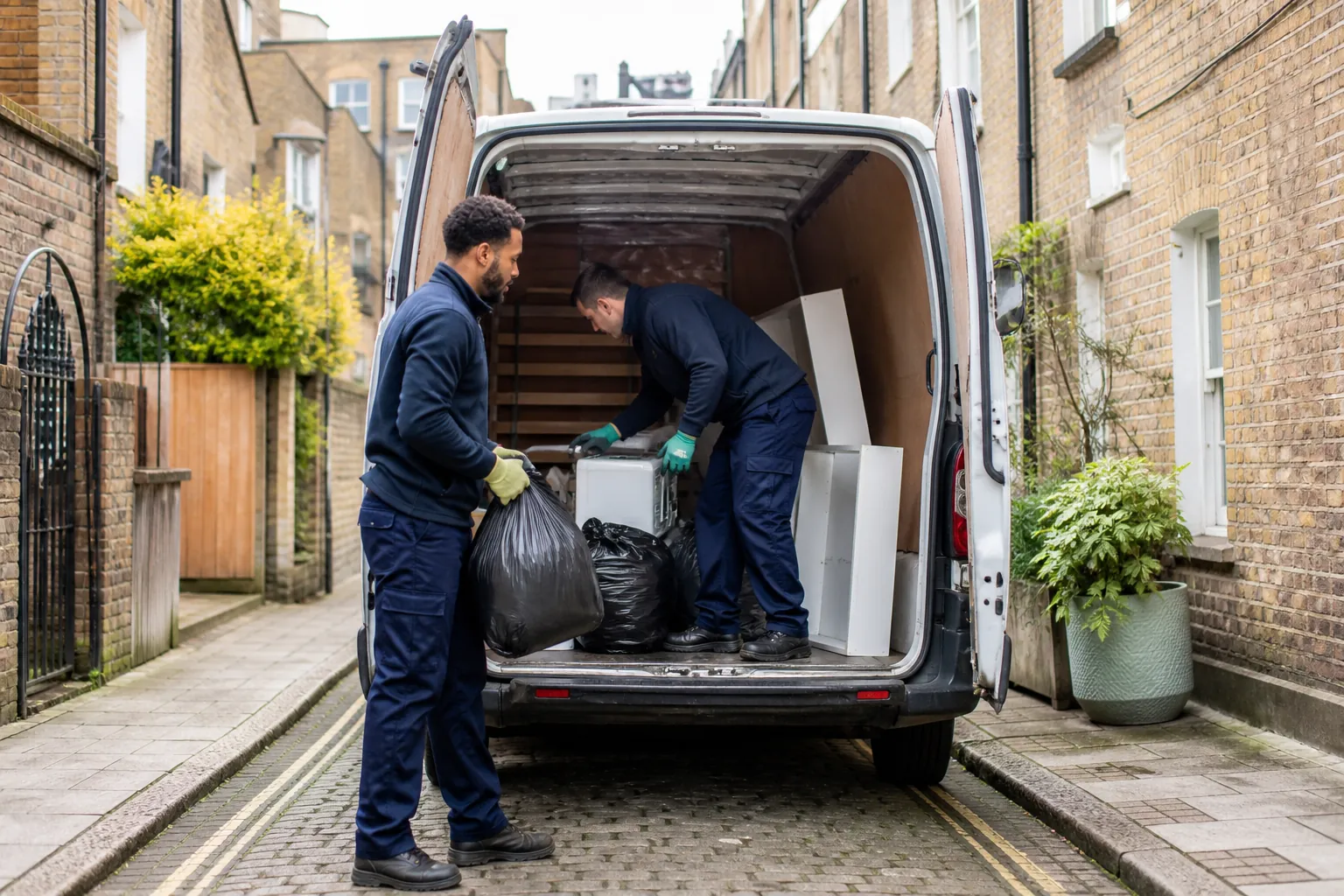
Getting rid of waste the right way is super important for keeping our environment clean and healthy. But if we mess it up, it can cost more and take longer than it should. Knowing what to watch out for can really help. By planning and following local rules, both people and businesses can do waste disposal much better. This piece points out seven common mistakes that slow down waste management and gives handy tips to dodge them. Using these ideas can save time, cut costs, and help the planet. It’s all about staying aware and taking action when dealing with waste.
Poor Planning
When you don’t plan waste disposal properly, you end up rushing things and wasting time and money. Without a good plan, projects can hit annoying delays and unexpected costs. To avoid this mess, it’s a smart move to make a solid schedule before starting anything. Think about the type and amount of waste you’ll have, maybe even measure it in cubic feet, so you know what you need. Having the right stuff ready and knowing how you’re gonna get rid of the waste makes everything run smoother. Sorting out your disposal plan early stops things from getting messy and confusing. Why take chances? Chatting with local waste management folks can give you handy tips and advice. These pros can help you put together a waste plan that fits your project perfectly, making sure everything goes off without a hitch. Being prepared means fewer surprises and a smoother project.
The Second Mistake: Mixing Hazardous and Non-Hazardous Waste
Getting waste sorted right is super important. If you mix stuff like hazardous materials with everyday rubbish, it can harm the planet and hit you with big fines. Things like old gadgets or chemicals need special care. Chucking them out with your regular trash can be risky. It’s a good idea to go through your waste carefully, picking out and marking the dangerous stuff. Use different bins for different types of rubbish to keep them separate. And hey, it’s worth letting everyone know about these waste types for safety. Your local waste services usually have great tips to help you sort waste smartly and protect the environment.
Ignoring Local Regulations
If you ignore the local rules on waste disposal, you might end up with hefty fines and mess up your plans. Every area has its own way of handling waste, and if you don’t stick to it, it could really throw off your schedule. To keep things ticking along nicely, it’s a good idea to check out what your area’s rules are. You can call up your local council or hit up their website for all the scoop on waste disposal. They usually have loads of info on what waste you can’t just throw away anywhere and the proper way to get rid of it. You might also find local workshops or seminars about waste management helpful. Spending a bit of time learning the ropes can keep you out of legal trouble and make sure you’re handling waste in a way that’s good for the planet. Staying clued up and on top of these rules can save you time and hassle later on.
Delaying Waste CollectionThe Importance of Timely Waste Collection
If you ignore picking up trash on time, it quickly piles up and turns your workspace into a mess. Not collecting waste when you should makes things chaotic and stressful. But, by getting trash collected on time, you keep the place neat and everything runs smoother.
Establishing a Collection Routine
To keep things tidy, it’s a good idea to set up a regular trash pickup schedule. Try to match it with your project deadlines so everything flows nicely. Regular pickups help keep your space organised and ease any stress from putting things off.
Effective Communication with Waste Services
Talk to your local waste collection services to find out what pickup times they offer. They usually have flexible options to fit different schedules, which helps prevent rubbish from stacking up. Stay in touch with them to ensure you don’t miss a pickup. You can mark the pickup days on your calendar or set phone reminders to stay on top of it. This little effort saves money, cuts down last-minute panic, and keeps your space clean and productive by managing the mess well.
Overloading Containers
Overflowing bins can really be a headache. When they’re too full, you might end up paying extra because waste services have to work harder. Plus, there’s a bigger chance of spills and accidents, especially when moving stuff around. To dodge these messes, make sure you know how much rubbish you’ve got. Use simple ways to figure out the size of your waste pile so you can pick the right bin size. It’s important to have the right container for your waste to keep things safe and tidy. It’s a good idea to chat with waste disposal folks for tips on picking the right bins for different waste. They’ve got great advice based on their experience and what you need. By doing this, you can save cash and keep things neat and easy.
Neglecting Recycling OpportunitiesEmbracing Recycling for Big Benefits
Recycling isn’t just a buzzword; it’s key to cutting down on waste, helping the planet, and even saving a bit of money. By not recycling, you miss out on cheaper waste disposal and the chance to do some good for Mother Earth. Think about the stuff you can recycle: paper, cardboard, plastic, and metal. Just pop these into a separate bin from your regular rubbish. You know, my neighbour drops off a box of magazines each week, and it’s a great reminder of how simple it can be to make a difference.
Utilizing Local Recycling Services
Having a look at what your local recycling services offer is a smart move. Many councils have straightforward options, like picking up your recyclables right from your doorstep. This can save you time and might even cut down your rubbish fees. Plus, staying updated with your local council’s recycling schedule means you can make the most of these services. Did you know that the average UK household tosses away about 1.5 kg of waste a day? Every bit we can recycle helps to lower that number.
Setting Up a Recycling System at Home
Setting up different bins for each type of recyclable material at home makes sorting a breeze and gets everyone involved. Not only does this help the environment, but it also cuts down on what ends up in landfills, ultimately saving you money on disposal. By recycling, we’re managing waste better, doing our bit for the planet, and showing we care about sustainability. So why not give it a go this week and see how much less you’re tossing out?
Conclusion
Thinking about the problems with waste disposal shows how they mess up efficiency, push up costs, and hurt our duty to look after the environment. Things like bad planning, mixing up different types of waste, ignoring rules, delaying collections, overloading bins, and skipping recycling are issues we can fix with a bit of strategy. These strategies make handling waste easier, saving time and money. If we jump on these changes quickly, we can help create a cleaner, more sustainable world. Even the smallest tweaks can really boost our waste management skills, helping us become more mindful and effective with our waste habits.


